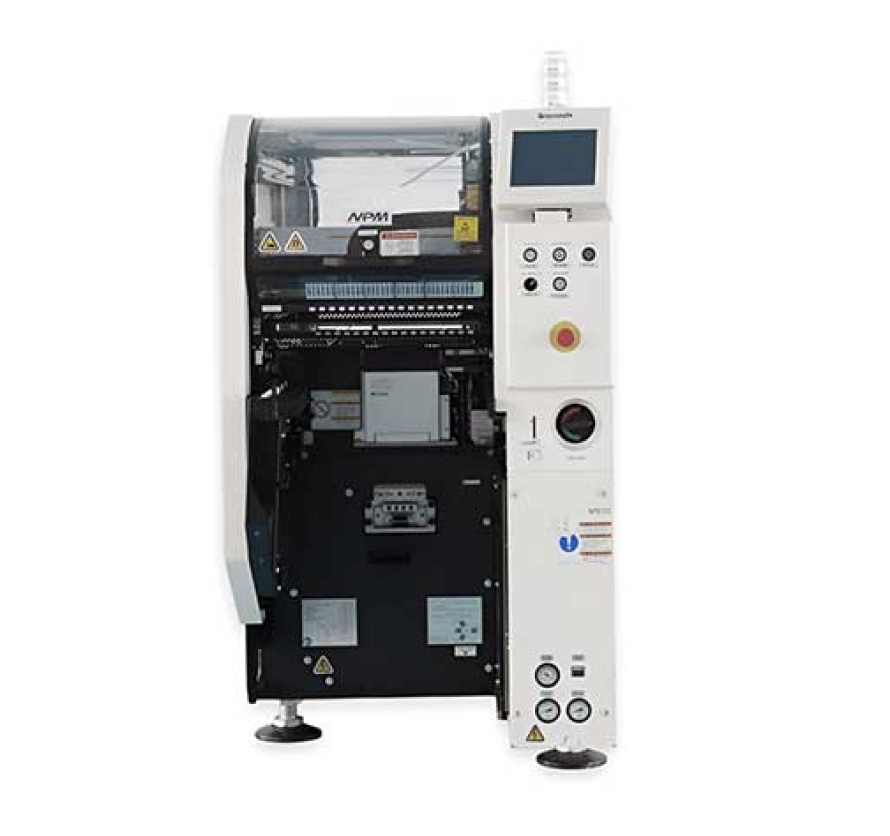
Panasonic Feeder: Boost assembly efficiency with proven solutions for 2025. Find the best feeder options for your needs today.
The Manufacturing Speed Race of 2025
Manufacturing success in 2025 comes down to milliseconds. In the fast-paced world of electronics assembly, every component placement matters. A single misplaced part can halt production for hours. This is where Panasonic feeders play a critical role, ensuring both precision and speed.
Let’s talk numbers: Modern Panasonic SMT placement machines, like the NPM series, can process up to 100,000 components per hour. At this speed, even a 0.1% error rate translates to 100 defective placements hourly. To combat this, leading manufacturers turn to Panasonic’s Auto Setting Feeders, tape feeders, and component feeders as their primary tools for efficiency and accuracy.
With 15 years of experience optimizing assembly lines across three continents, the most common question I hear is: “How do we speed up without sacrificing accuracy?” The answer lies in adopting modern SMT feeder technology—particularly Panasonic’s latest advancements.
In 2025, we’re witnessing transformative innovations in smart factory solutions. Panasonic’s digital twin integration enables manufacturers to predict and prevent issues before they occur. Meanwhile, AI-driven calibration systems maintain precision even after millions of cycles. These advancements aren’t just incremental—they’re redefining the future of electronics assembly.
This guide provides an in-depth look at Panasonic feeders, covering selection criteria, implementation strategies, and optimization techniques. Real-world case studies will illustrate how proper feeder selection with Panasonic NPM placement machines has doubled production output while slashing error rates by 80%.
In the end, the difference between average and exceptional manufacturing often comes down to how effectively you leverage your feeder systems. Let’s explore how Panasonic’s cutting-edge SMT feeders and smart factory solutions can work for your specific needs.
Table of Contents
Intelligent feeder
Common to CM101, CM212, CM232, CM400 series, CM602, DT401, NPM series and AM100. To use the R/L lane simultaneous feed function of the double tape feeder with the lightweight 16-nozzle head, software version of the double tape feeder must be 5.00 or later.The feeder for 4 mm tape width is custom specification. Please contact us.

The feeder types for Panasonic machines are classified based on tape width, reel diameter, installation pitch, and capacity. For 8mm Double T/F feeders, they support both paper and embossed tapes. Small reels have an installation pitch of 21mm, with a maximum capacity of 68 reels, and 34 when connected to a tray feeder. Large reels have the same installation pitch but can handle up to 34 reels or 17 with a tray feeder. The same specifications apply to the 0402-specific model. For thin film embossed tapes, small reels support a maximum of 34 reels (17 with a tray feeder), while large reels are supported but specific capacities are not listed.
4mm thin-type single T/F feeders are compatible with embossed tapes and small reels, featuring a 10.5mm installation pitch. They can hold up to 68 reels or 34 when using a tray feeder. The 8mm thin-type single T/F feeders, starting from 0402, support both paper and embossed tapes with the same installation pitch and reel capacity as the 4mm model.
For larger tape widths, the 12mm and 16mm Shared T/F feeders are designed for embossed tapes. Small reels have a 21mm installation pitch and can hold up to 34 reels or 17 with a tray feeder. Large reels follow similar specifications, with the 16mm feeder allowing up to 34 reels under certain conditions. Moving to wider tape widths, the 24mm and 32mm Shared T/F feeders accommodate large reels with a 42mm installation pitch, holding a maximum of 16 reels or 8 when connected to a tray feeder.
For even larger requirements, the 44mm and 56mm Shared T/F feeders are optimized for embossed tapes with large reels. They feature a 63mm installation pitch and support up to 10 reels, with 5 when using a tray feeder. The 72mm T/F feeder has an 84mm installation pitch and can hold 8 reels or 4 with a tray feeder. Similarly, the 88mm T/F feeder has a 105mm installation pitch, allowing for 6 reels or 3 with a tray feeder. The 104mm T/F feeder, with a 126mm installation pitch, supports up to 4 reels or 2 when connected to a tray feeder.
Lastly, the 32mm Adhesive T/F feeder supports adhesive tapes with large reels. It has a 63mm installation pitch and can hold a maximum of 10 reels or 5 with a tray feeder. These detailed specifications enable precise selection of feeders based on production requirements and tape formats.
Step 1: Choosing the Right Panasonic Feeder Solution
- Picking the right feeder can boost efficiency.
- Consider assembly needs and feeder features.
- Evaluate speed and compatibility.
Identifying Your Assembly Needs
Understand the Types of Feeders Available
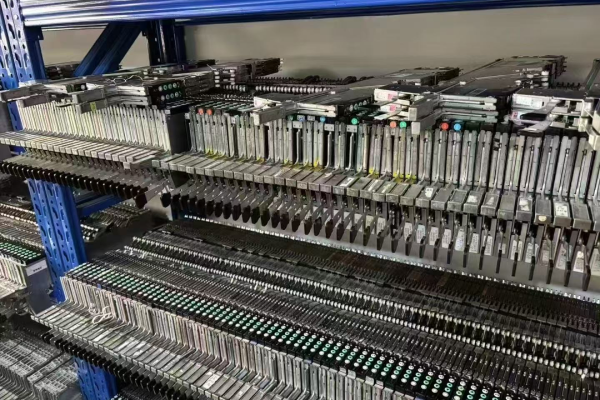
Start by knowing the different types of Panasonic feeders. These feeders cater to various tasks, such as tape feeders, tray feeders, and bulk feeders. Tape feeders are suitable for precise component placements. Tray feeders manage larger components effectively. Bulk feeders tackle high-speed assembly with ease. Identifying the right type prevents misallocation of resources. By understanding each type, you can pinpoint which suits your needs best, ensuring your Panasonic SMT line runs smoothly.
Match Feeder Types with Specific Assembly Requirements
Once you know the types of feeders, link them to your specific needs. Does your assembly deal with tiny components? If yes, Panasonic SMT feeders like tape feeders would be an excellent choice. If handling large items, tray feeders work better. Evaluate your volume needs too. Bulk feeders will suit high-output situations. This phase ensures you’re not only using the right feeder but also maximizing its capabilities. A systematic approach helps align the feeder’s potential with your operational goals, especially when integrated with Panasonic SMT pick and place machines.
Evaluating Features and Capabilities

Assess Speed, Accuracy, and Compatibility
Next, it’s important to evaluate each feeder’s speed, accuracy, and compatibility. Fast feeders increase throughput but must not sacrifice precision. Check the tolerances they offer. Compatibility with existing Panasonic SMT equipment ensures you don’t face integration issues. According to experts, matching component size with the feeder’s capability is vital for precision. This assessment helps determine which Panasonic NPM feeder model best suits your assembly line, helping you reduce downtime and errors.
Consider Feeder Flexibility for Various Components
Lastly, focus on flexibility. Can the feeder adapt to different components? Modern assembly lines require versatile equipment. Flexible feeders, such as the Pick and place feeder in Panasonic SMT machines, can switch between different parts with minimal downtime, which is crucial for maintaining a quick and efficient line. The Electronic component feeder in systems like the AM100 placement system is an example of such flexibility, able to adapt to varied component types and sizes. This adaptability is key for keeping production lines agile and responsive to changes in demand.
These steps guide you in selecting a Panasonic feeder solution that suits your needs, boosting efficiency and accuracy throughout your Panasonic SMT line.
Step 2: Implementing Panasonic Feeder Advancements 2025
- AI boosts feeder accuracy and performance.
- Software updates simplify and speed up processes.
- Planning and calibration optimize operations for assembly lines.
Integrating Advanced Technologies
Leveraging cutting-edge technologies helps enhance Panasonic feeder efficiency significantly.
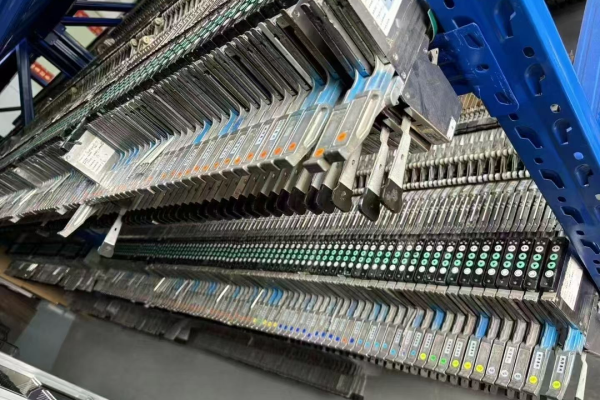
Utilize AI Enhancements for Better Accuracy
AI enhances feeder precision. Panasonic’s AI model, ContextFlow++, processes data with remarkable accuracy. It uses context details to boost the feeder’s adaptability and precision, especially in SMD feeders used in PCB assembly feeder applications.
1. Evaluate Existing Systems: Review your current Panasonic feeder system. Identify areas where AI can enhance performance. Focus on operations with recurring issues.
2. Select AI Modules: Choose AI components suitable for your system. Ensure they’re compatible with Panasonic feeders. ContextFlow++ may be an ideal fit for intelligent feeders in your setup.
3. Implement AI Tools: Integrate chosen AI modules into your system. Follow installation guides, ensuring seamless addition to your Panasonic pick and place machine or high-speed feeder.
4. Test Accuracy: Check the system’s accuracy post-integration. Monitor its behavior over a week to ensure consistency.
You might want to include images or screenshots of Panasonic feeder interfaces and AI integration tools for each step.
Streamline Operations with Upgraded Software Modules
Software modules streamline operations by automating tasks and reducing manual intervention.
1.Identify Need for Upgrades: Audit current software capabilities. Pinpoint areas where upgrades are necessary. Look for repetitive tasks that can be automated in the Automated parts feeder system.
2. Research Available Upgrades: Panasonic might offer specific upgrades or modules. Analyze these against your operational needs for the best fit. If you’re using Panasonic NPM machine, check for relevant updates.
3. Install Modules: Carefully follow the installation procedures. Maintain a backup of current settings before updating your SMD feeder or other Panasonic SMT equipment.
4. Conduct Trials: Run the system with the new modules for a few days. Make sure that all functions perform as expected without disruption.
5. Train Staff: Organize training sessions. If possible, involve Panasonic specialists to enhance understanding of new feeder functionalities.
Optimizing Feeder Setup
Proper planning and calibration ensure efficient operations.
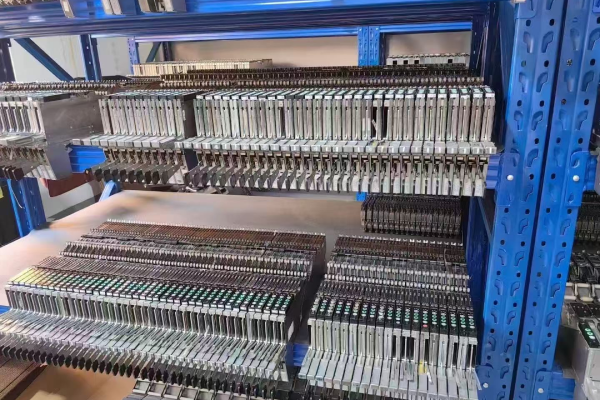
Layout Planning for Efficiency in Assembly Lines
The assembly line layout plays a vital role in efficiency.
1. Assess Current Layout: Examine your existing setup. Identify any bottlenecks or areas with frequent errors. Ensure that Panasonic feeders like Reel feeders and PCB assembly feeders are optimally positioned for smooth operation.
2. Design a New Layout: Create a blueprint for the optimized layout. Ensure feeders are easily accessible, and space for maintenance and operator movement is adequate.
3. Consult Experts: Engage with Panasonic engineers or consultants. Their insights can provide guidance for maximizing the performance of Panasonic pick and place machines and intelligent feeders.
4. Implement Changes: Execute layout alterations based on the new design. Ensure minimum disruption to ongoing operations.
5. Review Efficiency: Evaluate performance post-layout change. Watch for increased productivity and reduced errors.
Regular Calibration Checks to Maintain Precision
Regular maintenance keeps Panasonic feeders functioning optimally.
1. Set a Schedule: Establish routine calibration intervals. Aim for consistency, such as monthly checks for Panasonic SMT nozzles and feeders.
2. Use Proper Tools: Ensure you have the required calibration equipment. Panasonic may provide specific tools suited for their SMD feeders and other feeder types.
3. Follow Calibration Process: Adhere to the specific calibration steps recommended by Panasonic. Do not skip steps to avoid compromising feeder precision.
4. Log Results: Record each calibration’s findings. Retain these logs for reference in identifying trends or recurring issues with your Panasonic pick and place machine or high-speed feeder.
5. Make Necessary Adjustments: Tweak settings as guided by the calibration results. Verify improved accuracy after adjustments to Panasonic NPM machine or other Panasonic feeder systems.
By integrating these steps into your operations, you can optimize the performance and longevity of your Panasonic feeder systems, leading to more accurate and efficient assembly lines.
Step 3: Leveraging Efficient Electronic Assembly Feeders
- Ensure proper installation to prevent downtime.
- Train your team for smoother operations.
- Boost production efficiency with better setup.

Ensuring Proper Installation
Installing electronic feeders correctly is critical. It sets the foundation for the entire assembly process. To do this right, there are some steps you must take. First, follow the manufacturer’s guidelines closely. These guidelines offer step-by-step instructions tailor-made for each feeder type, such as Panasonic feeders. Neglecting any step can lead to malfunctions later. Installation steps often include mounting the feeder, connecting wiring, and aligning the feeder with the assembly line, especially for Panasonic NPM WX machines.
Once installed, conduct initial tests. These tests check if everything works as intended. They help identify any issues before operations begin. Use test components to feed through the system. Monitor them for smooth movement. Verify that the Panasonic feeder is picking and placing accurately. Ensure no items are getting stuck or misaligned. If issues appear, solve them immediately. Repeat the test process until everything runs smoothly, including feeder calibration for optimal performance.
Training Your Team
Training the team is as important as installation. Even the best Panasonic feeders need proper handling to reach peak performance. Begin with hands-on training sessions. These sessions allow team members to interact directly with the feeders, such as the Panasonic SMT mounter. During these sessions, demonstrate all necessary operations. Show how to load components, how to adjust settings, and how to conduct basic maintenance. Ensure everyone gets to practice these tasks.
Workshops are also effective for deeper learning. Organize workshops to address specific areas like advanced troubleshooting. Invite experts to share insights and answer questions. These workshops enable employees to better understand the equipment, such as the Panasonic nozzle and feeder error detection systems. They boost confidence and competence in using feeders. Offer training materials, like manuals or videos, for ongoing reference. Well-equipped teams can prevent costly downtime.
Promoting Knowledge of Maintenance and Troubleshooting
Routine maintenance is a must for keeping Panasonic feeders efficient. Teach your team how to maintain the equipment. Begin by explaining the importance of regular checks. Maintenance helps avoid sudden failures and extends the feeder’s life. Break down maintenance tasks into daily, weekly, and monthly routines. Show how to clean and lubricate the components, including the Parts loading system of Panasonic feeders. Teach staff how to tighten loose parts and replace worn-out pieces, ensuring proper feeder setup.
Equally important is troubleshooting. Equip your team with skills to quickly address common issues. Start by identifying frequent feeder problems like jamming or misalignment. Go step-by-step in solving these problems. For example, if components jam, show how to safely remove obstructions without damaging the Panasonic feeder. If items misalign, teach how to recalibrate the system, ensuring precision component placement. Providing checklists or guides helps ensure no steps are skipped, ensuring smooth operations across the assembly line.
Efficient installation and well-trained teams lay the groundwork for success. Each step affects the next phase of assembly. Setting up for further technological integration, like digital twin technology, these steps ensure operations remain seamless and highly efficient.
Step 4: Using Digital Twin Technology in Feed Systems
- Build digital models to see how feeders work in different situations.
- Collect data from these models to find and fix problems before they happen.
- Make better decisions to improve the system using data analysis.
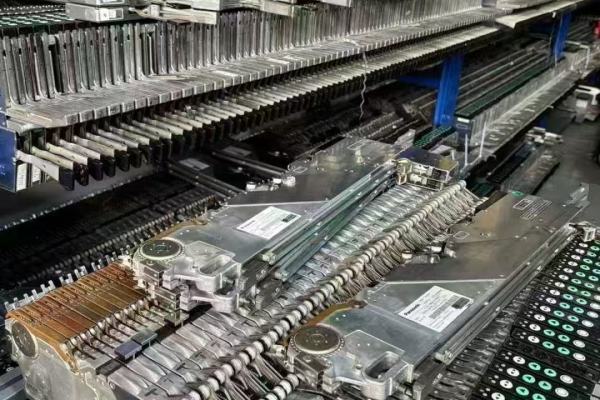
Creating Digital Models
Digital Twin Technology is all about making digital versions of real machines. In feeder systems, this means creating a digital replica of the actual Panasonic feeder. This virtual model is built with precision, capturing every detail of how a Panasonic NPM feeder operates. By developing these models, factories can simulate operations under various sets of conditions. For example, they can test how the Panasonic NPM D3 feeder performs if a new type of component is introduced or if there is a change in the assembly speed. This level of simulation provides flexibility and foresight, helping to optimize SMT production line efficiency.
With complex technology, there also come challenges. Crafting accurate models requires a deep understanding of both the software used and the Panasonic feeders themselves. Various simulation software is available, like Siemens’ NX Simulation or Dassault Systèmes’ CATIA, which are popular options for creating digital twins. These tools allow users to manipulate different variables to see how they affect the system’s performance, including feeder compatibility with different components.
It’s recommended to read more into books like “Digital Twin: Applications and Future” by Shalini Aggarwal and “Modeling and Simulation in Manufacturing Systems” by Ronald Giachetti. These resources offer thorough insights into building and utilizing digital twins in manufacturing, especially in relation to Panasonic NPM machine specification.
Analyzing Performance Data
Once digital models are operational, they don’t just sit idly. They continuously generate data on the performance of the feeders. This data includes metrics related to component alignment, speed, and overall efficiency. By closely examining this data, factories can predict potential failures or inefficiencies before they materialize. For instance, if data shows that parts are frequently misaligned at a certain speed, adjustments can be made proactively to avoid future slip-ups.
Predictive maintenance, often talked about in connection with digital twins, becomes much more effective with these insights. For example, using Panasonic NPM-W2 price and Panasonic NPM-W2 specification data, factories can shift from a reactive maintenance strategy to a predictive one. This practice saves significant time and costs associated with unexpected downtime. Additionally, analyzing feeder maintenance data helps optimize the service schedule, preventing potential machine breakdowns.
For further understanding, consider exploring case studies that detail predictive maintenance successes as facilitated by digital twins. One key point from experts is encapsulated in a statement by Michael Campbell from PTC: “With innovations enabling digital twins to be a comprehensive digital equivalent of a product or process in the real world, product developers or manufacturers can understand how the product is in use or performing.”
Identifying System Improvements
The data extracted from digital twins isn’t meant for storage but for practicality. This data should be analyzed in a way that leads to better decision-making. When a factory sees that a particular part of the Panasonic feeder system underperforms, data can provide insights into how to make improvements. Whether it’s adjusting the speed, reconfiguring the layout, or optimizing component supply automation, digital twins offer insights backed by concrete data.
Making these improvements is not just a quick fix. It requires a strategic approach, where decisions are evaluated and continuously refined based on ongoing data analysis. This continuous improvement cycle ensures that Panasonic feeders stay at the peak of their performance capabilities in a dynamic production environment, particularly with regards to Feeder compatibility with various SMT components.
Professionals interested in exploring how digital twins can further enhance innovation and efficiency may look into online workshops or webinars hosted by leading experts in the field. These can provide hands-on examples and real-world applications, facilitating a deeper understanding of implementing and optimizing digital twin technology in Panasonic NPM D3 feeder systems.
Advanced Tips for Maximizing Feeder Efficiency
- Boost efficiency with the right feeders and smart customization.
- Avoid common mistakes and prepare for all kinds of challenges.
- Learn new tweaks and tricks to improve performance every day.
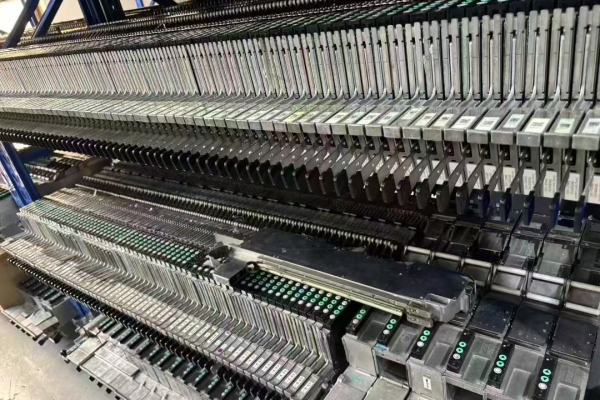
Additional Advice and Alternative Methods
Customization can significantly increase the efficiency of Panasonic feeders. Adapting feeders for specific tasks helps you meet precise needs without wasting resources. Look into the range of customization options available. These can include adjustable feeding speeds, enhanced precision techniques, or specialized feeder designs. For busy assembly lines, it could mean adding interfaces that allow quick changes between different feeder setups or using advanced AI. Consider reviewing technical manuals on Panasonic NPM W2 and other Panasonic feeders to comprehend these options better. Resources like “The SMT Handbook” by Phil Zarrow dive deep into different approaches, offering nuanced insights into Feeder performance optimization.
High-volume needs sometimes call for different feeders. Specialized feeders can optimize the handling of specific components, such as those seen with the Panasonic NPM D3A. This is crucial if your production involves unique materials that general feeders can’t support. When examining alternatives, industry reports on automated feeder systems, such as those available from the Feeder Automation Market Report, can guide your choices. They cover evolving trends in feeder design and technology. Weigh different feeders’ effectiveness, like the Panasonic NPM-D3 specification, in managing your assembly’s requirements by consulting up-to-date case studies. The idea is to align feeder capabilities with production goals, ensuring seamless operations.
Common Pitfalls and How to Avoid Them
Routine maintenance is essential in keeping Panasonic feeders running efficiently. Overlooking it can cause operational disruption. Regular checks ensure that components remain in good condition. Follow a maintenance schedule and adapt it to the specifics of your feeders. Panasonic provides maintenance advice tailored to each model, including specific guidance on models like the Panasonic NPM W2 specification and the Panasonic NPM-DX feeder errors troubleshooting guide. Implementing these routines helps maintain peak performance. Watch for signs of wear such as unexpected noise or reduced precision.
Component wear is another challenge. Accounting for this, especially in high-capacity settings, is vital. Keep spare parts on hand and maintain an exceptional supplier relationship for quick replacements. Consider where to buy replacement parts for Panasonic tape feeders and always be prepared for necessary replacements to avoid downtime. Avoiding downtime requires foresight in managing component variability. Planning can include training staff in unexpected scenarios and keeping documentation for reference.
Handling these issues efficiently is what sets successful operations apart. Dispense with inefficiency by implementing these advanced strategies. This way, all aspects of feeding systems remain optimized and responsive to ongoing production demands, whether for Tape width adjustment or Panasonic intelligent stick feeder maintenance procedures.
Troubleshooting Common Issues with Panasonic Feeders
- Improve feeder accuracy with calibration.
- Solve mechanical failures quickly.
- Increase feeder reliability.
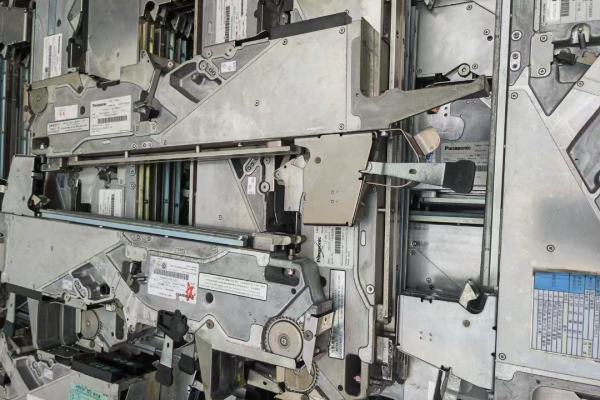
Solutions to Potential Problems
Panasonic feeders, like any sophisticated machinery, may experience issues. Here, we tackle two common problems: calibrating feeders after inaccuracies and addressing mechanical failures.
Calibrating Feeder Systems After Inaccuracies
When Panasonic feeders display inaccurate pick-and-place actions, calibration can be critical. Follow these steps to ensure proper alignment and improved performance on your Panasonic NPM machine or any NPM SMT machine.
- Identify the Calibration Need: Notice any irregular component placing or misfeeds? That’s a sign calibration is due. Check your Panasonic NPM machine specification and recent logs for any anomalies in placement accuracy. These might include the number of rejections or alignment errors.
2. Gather Necessary Tools: Have the correct calibration equipment ready. Typically, this includes a calibration jig specific to your Panasonic feeder model, a good-quality microscope, and updated software for the machine’s diagnostic interface. These tools enable precise adjustments for accuracy.
3. Process Calibration:
- Start with a simple visual inspection of the Panasonic feeder. Ensure there’s no visible damage to the nozzles or feed paths.
- Engage with the NPM SMT machine’s interface and access the calibration menu. Follow on-screen prompts strictly. The software helps adjust the machine’s sensors and feeder position.
- Run any provided automatic calibration routines. They help refine feeder positions using machine learning algorithms for better accuracy.
- Ensure the Panasonic feeder holds components exactly where needed.
4. Verify Calibration Results: Load a batch of components similar to those used regularly and run a test cycle. Monitor and take notes on any deviations. Adjust again if necessary.
5. Document and Record: Keep a detailed log of calibration dates, techniques used, and outcomes. This historical record aids future troubleshooting.
Improving setup efficiency can also be achieved using the Panasonic Feeder Setup Navigator, which optimizes the replacement sequence and reduces operator reliance.
Addressing Common Mechanical Failures Promptly
Mechanical failures can halt production lines. Here’s a detailed guide to address these quickly in your NPM machine:
1. Inspect for Physical Damage:
- Begin with a visual examination of the Panasonic feeder. Look for any obvious signs of wear, such as cracks or misalignment.
- Check the tension of belts and trays. Loose parts can lead to misfeeds. Tighten any that are not as they should be.
2. Evaluate Air Pressure and Nozzles:
Point to check usually includes air supply and nozzle health.
- Inspect suction nozzles for blockages or wear. Replace as needed.
- Test air pressure levels. An improper air force can lead to handling errors. Calibrate air pressure settings to the machine’s specifications.
3. Rectify Component Placement Misalignments:
Adjust reclaiming coordinates manually if placement deviation is noticed. This might involve using the Panasonic feeder’s software to shift x and y positions slightly to ensure pick-up accuracy.
4. Reset System Components:
- Power down the Panasonic NPM machine and reboot. Sometimes, simple resets clear unseen glitches.
- Re-caution staff about any changes made. Ensure everyone involved knows what changes were implemented.
5. Apply Systematic Troubleshooting:
If problems persist, a step-by-step check of potential causes is essential. Analyze the entire system for overlooked issues.
Remember, methodically checking each potential cause is essential to solving issues like abnormal feeding as mentioned in SMT feeder troubleshooting practices.
By paying attention to these details, you ensure Panasonic feeders continue to operate reliably and efficiently. Additionally, always consider Panasonic feeder compatibility with different SMT machine models and stay informed about Panasonic feeder error codes and their meanings explained for better troubleshooting in future cases.
Further Resources and Reading on Panasonic Feeders
- Find comprehensive studies on feeder technology.
- Understand the role of Panasonic feeders in electronics.
- Discover forums for tips and shared experiences.

Related Topics and Advanced Guides
To understand the complexity of Panasonic feeder technology in detail, explore comprehensive research available on feeder advancements. Many studies examine the integration of machine learning and AI in Panasonic feeder management, highlighting significant improvements in accuracy and speed. As you go through these studies, you won’t just grasp the current state of Panasonic feeder technology, but also its future potential in systems like the Panasonic NPM and other Panasonic SMT machines.
Forums focused on Panasonic feeder systems are treasure troves of user evaluations and best practices. They provide firsthand insights that technical documents may not cover. These communities are active and provide diverse strategies for optimizing the use of Panasonic feeders, backed by professionals experienced in the field. They also offer troubleshooting techniques and peer support, which is invaluable for problem-solving. Exploring these forums can greatly enrich your understanding and application of Panasonic feeders, including how to address issues like feeder compatibility and nozzle adjustments.
Why Panasonic Feeders Matter in Electronic Assembly
Panasonic feeders play a crucial role in boosting efficiency within electronic manufacturing. Their impact extends beyond simple mechanical feeding to enhancing productivity and throughput. The feeders achieve this by reducing setup times and ensuring precision in component placement, a factor that’s pivotal in manufacturing highly sensitive electronics like smartphones and medical devices. In particular, Panasonic feeder specifications for various component sizes and types, such as Panasonic NPM W2 and Panasonic NPM D3, are crucial in ensuring precision and consistency in assembly.
The feeders have also been instrumental in facilitating the production of modern electronics. They support the agility and flexibility needed to handle a wide variety of components. This adaptability allows manufacturers to efficiently switch production lines without downtime. The consequence is a smoother, more reliable process that meets high-quality standards. The significance of Panasonic feeders in this context cannot be overstated, as they represent a key component of a streamlined production line, with added benefits like Panasonic nozzle efficiency in SMT applications.
Essential Books and Reference Points
For those eager to dig deeper, several books provide detailed explanations and comprehensive insights into feeder systems. Among them, “Automated Assembly: Concepts in Robotics and Sensor Integration” is a classic, offering a deep dive into the integration of automation in electronic assembly. It covers topics like sensor integration, which is often associated with Panasonic feeder technology. Another key text is “Electronics Manufacturing Processes,” which includes sections dedicated to SMT and Panasonic feeder technologies, providing both the theoretical underpinning and practical examples.
These texts, alongside white papers and technical publications from Panasonic and its partners, present nuanced discussions that can help deepen your understanding. Such resources push beyond standard knowledge, offering critical perspectives and cutting-edge research findings that inform future Panasonic feeder developments, including aspects like Cost-benefit analysis of upgrading to Panasonic Auto Setting Feeders.
Engaging with Practical Applications
To apply what you’ve learned, consider field reports and case studies showcasing successful implementations of Panasonic feeders. These practical accounts not only highlight real-world challenges but also demonstrate effective solutions, offering valuable lessons in innovation. They illustrate how various organizations have harnessed Panasonic feeder technology to create more efficient manufacturing processes, especially in systems like the Panasonic NPM or Panasonic SMT placement machines.
Participating in webinars and industry conferences can also deepen your understanding. They provide platforms for interaction with experts and peers who discuss the latest trends and advancements in Panasonic feeder technology, such as training resources for operating Panasonic intelligent feeders efficiently. Engaging with these resources ensures continuous learning and keeps you updated on new developments and best practices within the industry, including innovations like the high-speed feeder functionality of the Panasonic NPM D3.
Conclusion
The future of electronic assembly lies in the smart integration of Panasonic feeders with digital technology. In 2025, manufacturers who implement these systems correctly see up to 40% increase in production speed and 30% reduction in component placement errors. This integration applies to various Panasonic SMT machines, including the Panasonic NPM series, such as the Panasonic NPM W2 and Panasonic NPM D3, which are designed to work seamlessly with advanced feeder technologies.
Success with Panasonic feeders comes from systematic implementation. Start with proper feeder selection based on your needs. Then, focus on integration with existing systems, including Panasonic SMT machines and Panasonic SMT placement machines. Follow up with staff training and regular maintenance. Finally, use digital twin technology to predict and prevent issues before they occur. This helps ensure feeder compatibility with your existing systems, whether you’re working with high-speed feeders or other feeder configurations.
Remember these key points:
- Regular calibration prevents most common issues, ensuring your Panasonic feeder maintains its accuracy and efficiency.
- Digital modeling helps optimize performance by simulating real-world conditions and identifying potential problems in advance.
- Staff training ensures consistent operation, empowering operators to get the most out of Panasonic feeders like the Panasonic NPM W2.
- Preventive maintenance saves time and money by proactively addressing wear and tear before it impacts production, especially with parts like the Panasonic nozzle.
The electronic assembly industry continues to evolve. Panasonic feeders remain central to this evolution, offering reliability and precision that modern manufacturing demands. Whether you’re upgrading existing systems or installing new ones, the principles outlined here will help you achieve optimal performance with Panasonic NPM machines or other Panasonic SMT equipment.
Take the next step: Review your current Panasonic feeder setup against these guidelines. Identify one area for improvement, whether it’s calibration, training, or maintenance. Then, create an action plan to implement changes within the next 30 days to improve the efficiency and reliability of your Panasonic SMT machines.
Frequently Asked Questions
1.What types of feeders are available for Panasonic SMT machines?
Panasonic offers several types of feeders for their SMT machines:
Tape feeders (4mm to 104mm widths)
Stick feeders
Tray feeders
Auto Setting Feeders (ASF)
Intelligent Tape Feeders (ITF)
Bulk feeders
Stackable stick feeders
2. How do I set up and calibrate a Panasonic Auto Setting Feeder?
To set up and calibrate a Panasonic Auto Setting Feeder:
Insert the pre-processed tape into the feeder
Press the button to automatically peel and load the tape
Install the feeder by inserting it fully into the machine
Use the Panasonic calibration jig (e.g. NM-EJW2A) to verify and adjust feeder alignment if needed
3. What are the specifications and compatibility of different Panasonic feeder models?
Panasonic feeder specifications vary by model:
8mm feeders like KXFW1KS5A00 are compatible with CM402, CM602, NPM series
Wider feeders available up to 104mm
Auto Setting Feeders support 8-104mm tape widths
Most feeders are compatible across CM and NPM series machines
Refer to specific model numbers for exact compatibility
4. How do I troubleshoot common issues with Panasonic feeders?
Common troubleshooting steps for Panasonic feeders:
Check for proper tape loading and feeding
Verify feeder is fully inserted and locked in place
Clean feeder components and check for wear
Calibrate feeder position using calibration jig
Check for error codes and refer to manual
Inspect nozzles and vacuum system
5. What maintenance is required for Panasonic feeders?
Recommended maintenance for Panasonic feeders:
Regular cleaning of feeder components
Lubrication of moving parts as specified in manual
Inspection for wear and replacement of worn components
Periodic calibration using feeder calibration jig
Checking and adjusting tape tension
Verifying proper vacuum and air pressure
6. How can I optimize the performance of my Panasonic feeders?
To optimize Panasonic feeder performance:
Use high-quality component tapes
Properly configure feeder settings in machine software
Optimize component arrangement and feeder placement
Perform regular maintenance and calibration
Use Panasonic’s feeder setup navigator tools
Consider upgrading to newer feeder models like Auto Setting Feeders
7. Are Panasonic feeders compatible with non-Panasonic SMT machines?
Panasonic feeders are generally not directly compatible with non-Panasonic machines. They are designed specifically for use with Panasonic SMT equipment. Some third-party adapters may exist, but compatibility and performance are not guaranteed.
8. What is the difference between Panasonic’s Auto Setting Feeder and traditional feeders?
Key differences of Panasonic’s Auto Setting Feeder:
Automates tape peeling and loading process
Reduces setup time (about 30 seconds vs 90 seconds for traditional feeders)
Supports wider range of tape widths (8-104mm)
Optional loading unit for automatic refilling
Designed to reduce errors and improve efficiency
9. How do I replace parts on a Panasonic feeder?
To replace parts on a Panasonic feeder:
Refer to the feeder’s parts manual for exploded view and part numbers
Remove the feeder from the machine
Disassemble the feeder as needed to access the part
Replace the worn or damaged component
Reassemble the feeder following the manual
Perform calibration and testing before returning to production